Agro-pastoralists' adaptation to flooding and conflict in Gogrial East, Warrap State, South Sudan
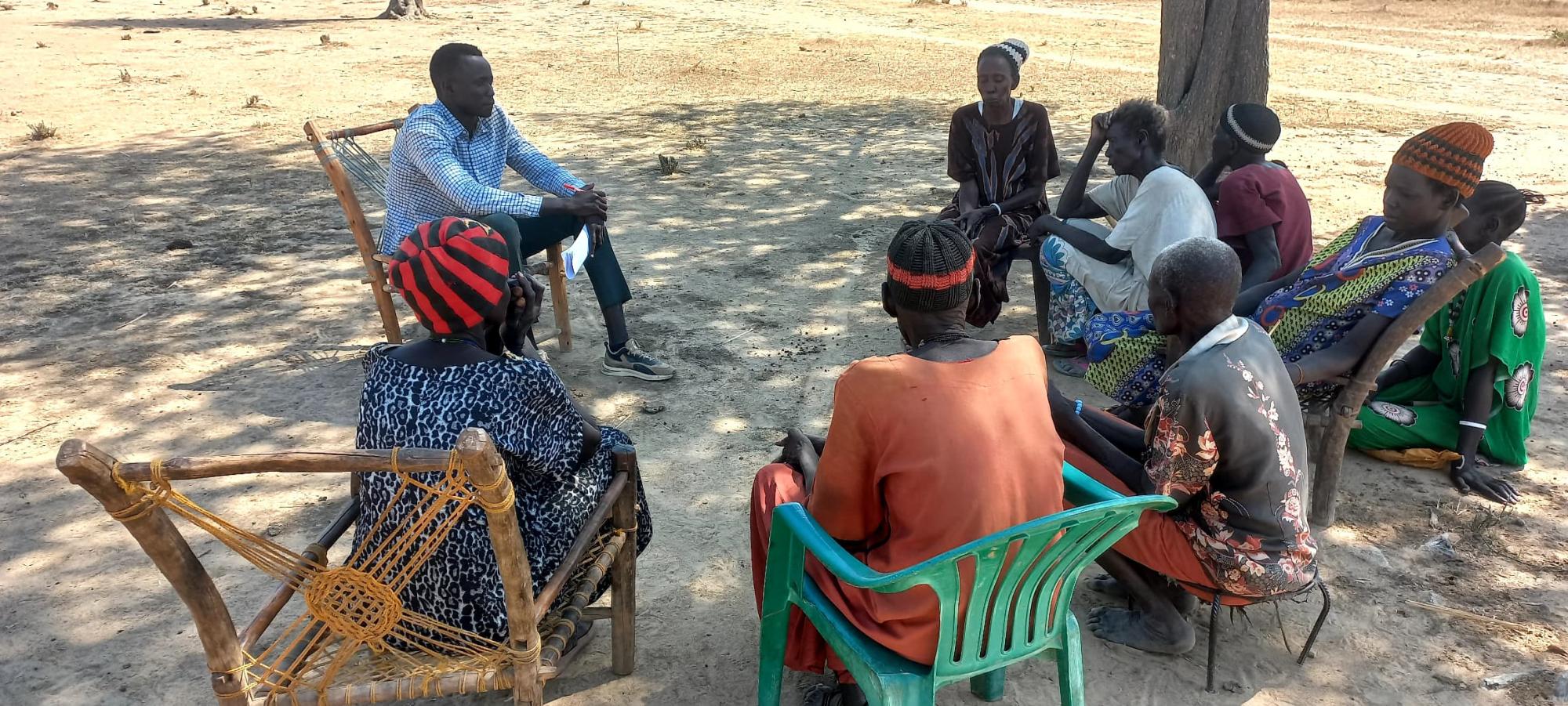
This report explores the perspectives of agro-pastoralist men and women in Toch East and Pathuon West Payams on how flooding and conflict impact their lives and livelihoods.
Agro-pastoralist communities in South Sudan face increasing challenges from climate change and inter-ethnic conflict. In Gogrial East County, recurrent flooding and cattle raiding have disrupted livelihoods, exacerbated food insecurity, and strained social cohesion. Understanding how these communities adapt is critical for informing policy and humanitarian responses.
This report explores the perspectives of agro-pastoralist men and women in Toch East and Pathuon West Payams on the impacts of flooding and conflict. It documents the adaptations they employ in crop farming and livestock management.
Findings:
- Flooding has increased in frequency and severity since 2018, leading to outbreaks of human and livestock diseases, reduced livestock production, destruction of farmland, and restricted access to markets and services.
- Adaptations include migration to higher ground, herd splitting, preventative health care for livestock, and dyke construction.
- Conflict, primarily over cattle and grazing land, has resulted in loss of life, livestock, and displacement.
- Communities have formed armed youth groups and altered migration patterns.
- Women and youth face disproportionate impacts, including increased workloads and exposure to violence.
Policy implications:
- Improved early warning systems, tailored veterinary services, and climate-resilient infrastructure are needed to mitigate the impacts of floods.
- Conflict reduction requires community capacity building, disarmament, and support for peacebuilding.
- Humanitarian aid should address both food and non-food needs, with special attention to gender-based violence and trauma support for affected populations.