Journal article
Adaptable livelihoods and the persistence of pastoralism: A longitudinal study of pastoral livelihood transformation in northern Kenya, Isiolo
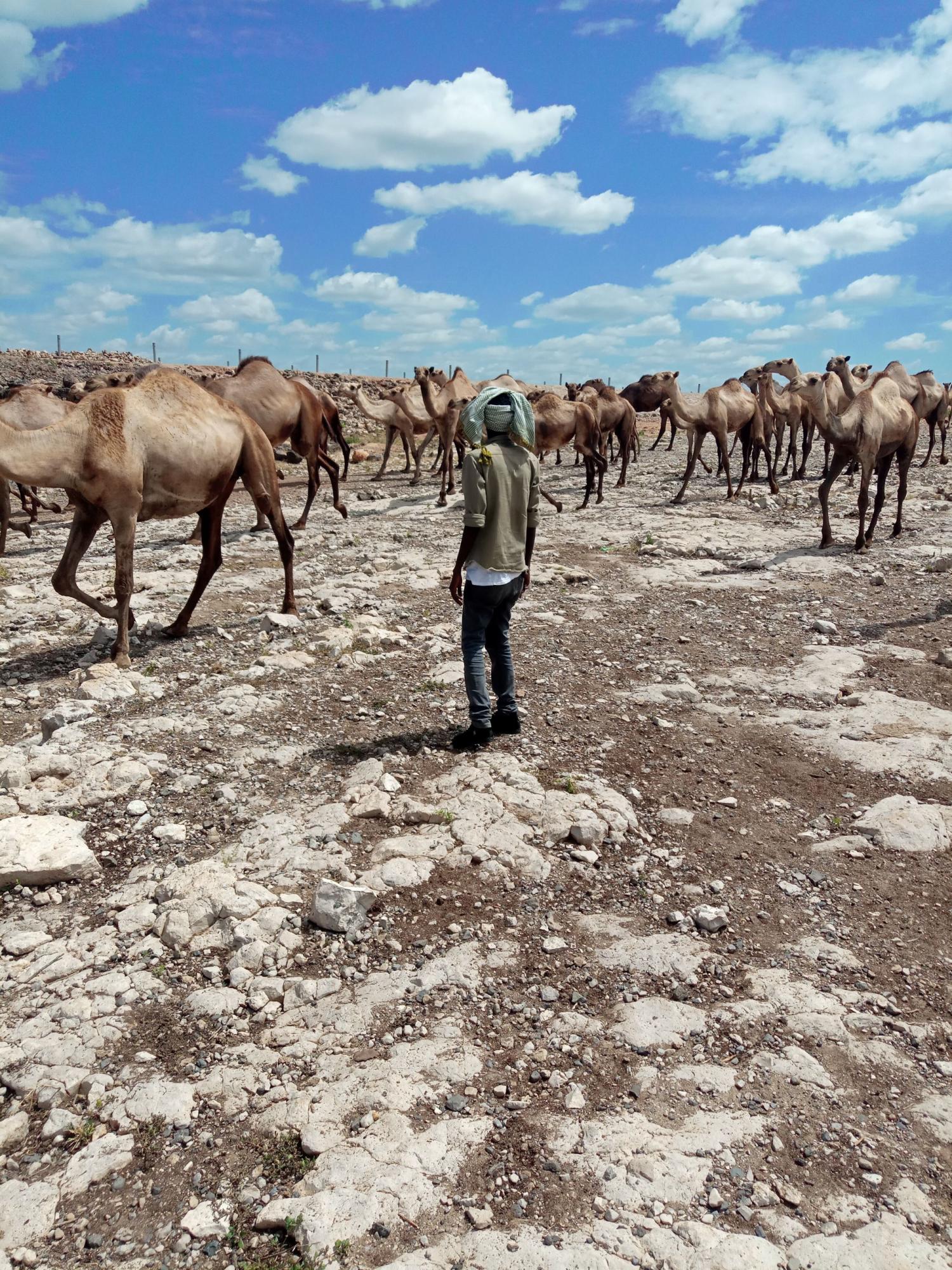
This journal article assesses the persistence of pastoral livelihoods despite far-reaching social, political, economic, and technological change over the last 45 years (1975–2020).
Éditeur Development Policy Review
Strong narratives claiming the end of pastoralism due to highly variable social and economic turbulence arising from climate-induced crises, conflict, and social exclusion exist in development spaces. Despite this, pastoralism persists. Addressing these crises in pastoral areas has often been static, short-term, and blind to changes in spatial, temporal, and gender variations. Drawing on the 1975 work of Gudrun Dahl, Suffering grass, which covers the livelihoods of Waso Borana pastoralists in Isiolo, northern Kenya, this study assesses the persistence of pastoral livelihoods despite far-reaching social, political, economic, and technological change over the last 45 years (1975–2020).
The research employed a multi-sited ethnography through a longitudinal lens in two pastoral areas, one remotely located (Korbesa) and one connected to an urban centre (Kinna). The study population included men and women, young and old, wealthy and low-income herders.
Findings
The study found that pastoralism persists due to “adaptable livelihood” practices built on relational, redistribution, and mutual support in the form of “moral economies.” These moral economies remain central to how pastoralists survived over 45 years and have been changing and adapting to new settings. The research emphasises how these practices vary across different space, time, and social groups.
Policy implications
As the world celebrates the significance of pastoralism and rangelands in the coming International Year of Rangelands and Pastoralism (IYRP2026), this study contributes to the debate on livelihood trajectories and the implications for development planning, particularly around resilience building in pastoral areas. Focusing on adaptable livelihoods within a longitudinal, empirical case study provides new insights into pastoralism and how pastoralists have taken advantage of new technologies, public services, and close links to urban areas, areas often ignored in conventional development intervention. These adaptive livelihood practices in pastoral areas can improve resilience to the growing threats of climate-induced crises and food insecurity.
Read the journal article here.
Citation: Mohamed, T. (2025). Adaptable livelihoods and the persistence of pastoralism: A longitudinal study of pastoral livelihood transformation in northern Kenya, Isiolo. Development Policy Review. Vol 44 (1) (Jan 2026), doi: https://doi.org/10.1111/dpr.70058.