Explore SPARC’s publications and resources as we create, distil, evaluate and share evidence and best practice on research and policy that aims to support pastoralists and farmers in dryland areas.
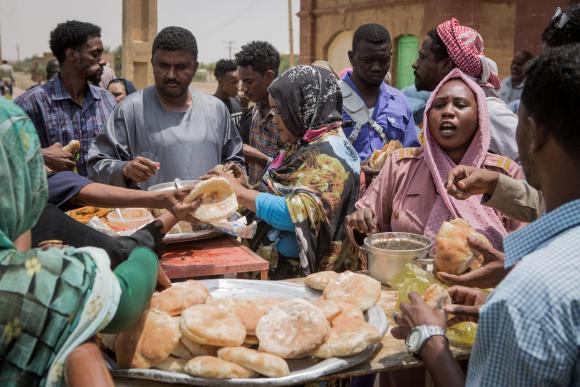
This study builds on earlier SPARC-IDRC research on food prices in Mali and Sudan by looking at subsequent price changes and their drivers, effects, and public responses from 2023 to mid-2025.
This journal article assesses the persistence of pastoral livelihoods despite far-reaching social, political, economic, and technological change over the last 45 years (1975–2020).
SPARC's new documentary shines a spotlight on one of the most critical, but marginalised livelihoods in Africa – and paints a rarely seen picture of the dynamism of people living in the drylands.
This report examines how participatory research and decision-making can help local stakeholders to overcome barriers to LLA in the context of drought in pastoralist and agro-pastoralist communities.
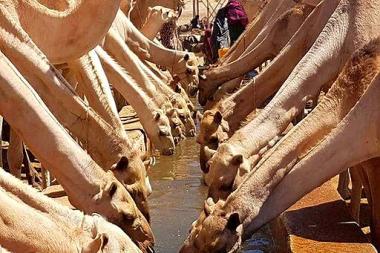
The current approach to providing new water supplies is undermining pastoralists’ resilience, not enhancing it. This report covers nine sites across Marsabit Co., Kenya and Somali Region, Ethiopia.
This journal article evaluates KAZNET, a crowdsourcing initiative that collects and shares near-real-time data about livestock markets, forage conditions, and food security in Kenya’s drylands.
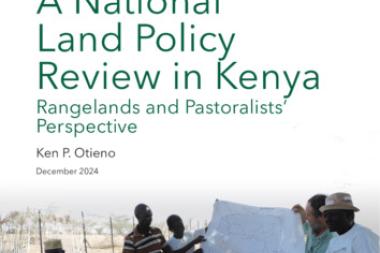
This critical analysis of the National Land Policy 2009 was undertaken on the request of the National Land Commission to inform strategic inputs to the policy review process.
SPARC partnered with MarketShare Associates to conduct a field-based study on gender-inclusive animal health services (AHS) delivery in pastoral communities across Ethiopia and Kenya.
This brief aims to inform the Kenyan government’s review of the NLP of 2009 from a pastoralist perspective, to ensure that the NLP recognises and secures pastoralists’ land rights.