Supporting Pastoralism and Agriculture
in Recurrent and Protracted Crises
Get in touch

Promoting innovative solutions

Featured resources

Browse all
Close up profile of a young woman in traditional samburu dress
Book

This book brings together contributions from diverse disciplinary perspectives to explore the intersecting themes shaping the future of mobile pastoralism in Africa’s drylands.
A woman smiling, looking beyond the frame
Technical report

This report looks at change within peoples livelihoods, the conditions that allow change to occur and spread, and the barriers which prevent change from spreading to other people and places.
SPARC documentary thumbnail

SPARC documentary thumbnail

Audio and podcasts

SPARC's new documentary shines a spotlight on one of the most critical, but marginalised livelihoods in Africa – and paints a rarely seen picture of the dynamism of people living in the drylands.
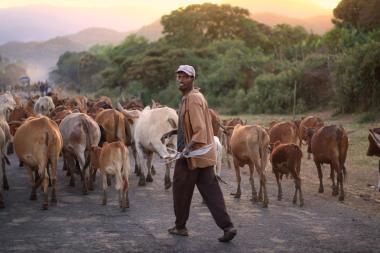
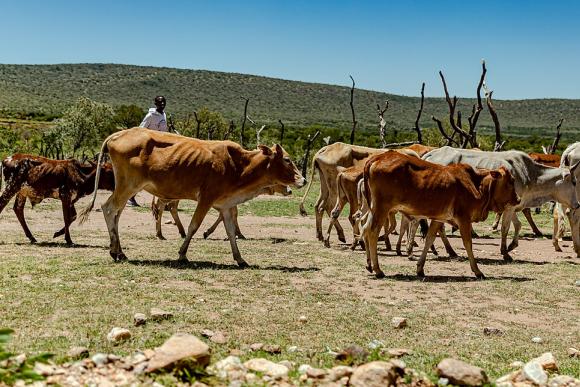
A pastoralist moves his livestock through Ganawuri town, Nigeria. Credit: Elphas Ngugi/SPARC

A pastoralist moves his livestock through Ganawuri town, Nigeria. Credit: Elphas Ngugi/SPARC

Flagship report

This resource catalogue collates all of the work published across SPARC's six-year run.

Latest news and features

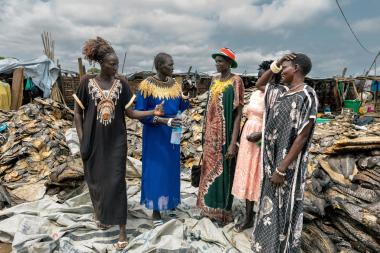
Fish market in Bor, Jonglei state, South Sudan. Credit: Elphas Ngugi / Supporting Pastoralism and Agriculture in Recurrent and Protracted Crises (SPARC)
News

In this article, SPARC researchers reflect on pastoralists and farmers' finely tuned strategies for living with variability - and how external interventions would do better to build on what works.
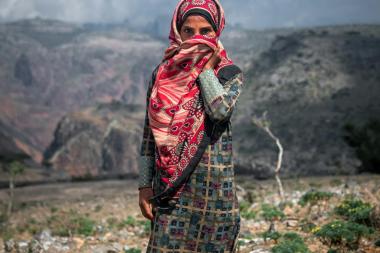
Close up of a young woman standing with her face covered looking at the camera
Blog

Three lessons for effective procurement in fragile and conflict-affected settings (FCAS).
An elderly man with a hoe on his left shoulder looks at the camera
Blog

Building strong relationships and fostering trust is often key for achieving meaningful and sustainable impact in fragile and conflict-affected settings (FCAS).

User feedback survey

SPARC would like to better understand who accesses the research on our website, how it is used and how we can improve it. The information we collect here is only used for internal Monitoring and Evaluation purposes.

Questions with a * are required.
Occupation/Position
Is the information on this website useful to your work?
Is the information on this website understandable?
Will you apply this information to your work?
What type of information did you access on this website?