Explore SPARC’s publications and resources as we create, distil, evaluate and share evidence and best practice on research and policy that aims to support pastoralists and farmers in dryland areas.
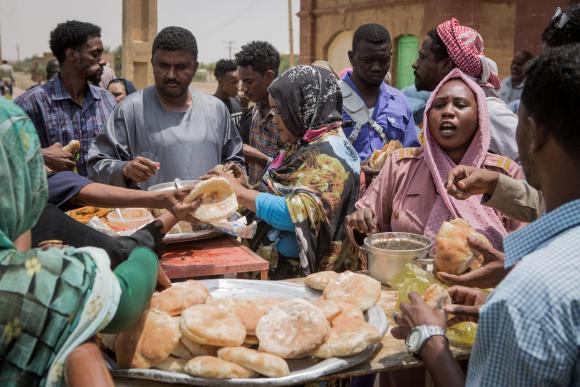
This study builds on earlier SPARC-IDRC research on food prices in Mali and Sudan by looking at subsequent price changes and their drivers, effects, and public responses from 2023 to mid-2025.
This journal article assesses the persistence of pastoral livelihoods despite far-reaching social, political, economic, and technological change over the last 45 years (1975–2020).
Using the evaluation of participatory action research (PAR) using non-traditional methods, this article proposes that the method used would also be valuable in evaluating PAR methods in other cases.
This study aims to deepen the understanding of land tenure in areas where farmers and pastoralists interact, to help document the root causes of conflicts between farmers and herders.
This report provides new data about the current and potential future losses and damages from climate-attributable weather events in the Sahel and Horn of Africa, with a specific focus on the agriculture and livestock sectors.
This study aims to identify the socio-cultural, economic and institutional factors contributing to gender inequalities among the pastoralists of Bauchi and Gombe States in Nigeria's Sahel region
This article examines the socio-economic and environmental challenges faced by women pastoralists in the Sahelian region of northern Nigeria and provides recommendations to support their livelihoods.
This is the third in a series of longitudinal studies into the political, socioeconomic and environmental issues facing pastoralists and agropastoralists in Hayin Ade and Wuro Alhaji Idrissa Bappate.
This is a comparative study of the experiences and impacts of, and adaptation strategies to, climate change by agro-pastoralists in the Sahel, northeast Nigeria. It gives recommendations to policymakers.