Explore SPARC’s publications and resources as we create, distil, evaluate and share evidence and best practice on research and policy that aims to support pastoralists and farmers in dryland areas.
This study builds on earlier SPARC-IDRC research on food prices in Mali and Sudan by looking at subsequent price changes and their drivers, effects, and public responses from 2023 to mid-2025.
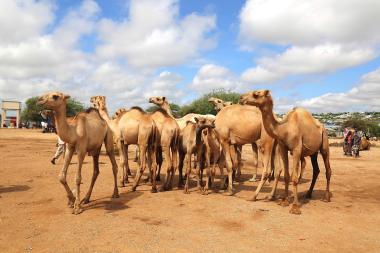
This journal article assesses the persistence of pastoral livelihoods despite far-reaching social, political, economic, and technological change over the last 45 years (1975–2020).
This research accompanies the synthesis report ‘Exploring the conflict blind spots in climate adaptation finance’, which provides key recommendations based on the findings in this working paper.
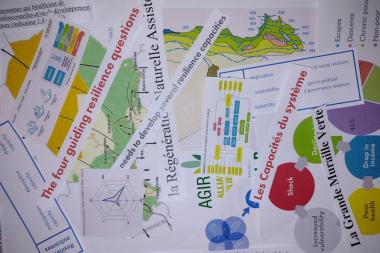
This brief explore the mistakes being made in how 'resilience' in the Sahel has been discussed and some practical steps that can be taken to make the word more useful.
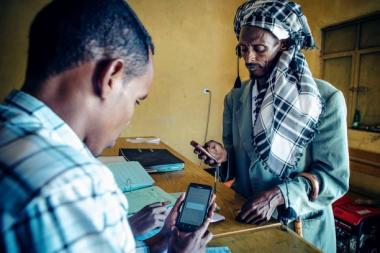
This study assesses the potential of using micro-tasking to monitor socioeconomic and environmental indicators in remote settings using a new platform called KAZNET.
This scoping paper presents key findings from the SPARC review of the innovation landscape specific to the contexts of fragile and conflict-affected settings.
This report looks at the degree to which traders marketing livestock from the rangelands use formal financial services, and examines the development of these financial services.
This paper discusses the effects of compounding shocks and stresses in agropastoral communities in Nigeria. It presents findings on the ways that households are coping and adapting to uncertainty.
These infographics explore what triggers transboundary climate and adaptation risks and how they spread, and policy-makers’ perceptions of likelihood and severity.