Explore SPARC’s publications and resources as we create, distil, evaluate and share evidence and best practice on research and policy that aims to support pastoralists and farmers in dryland areas.
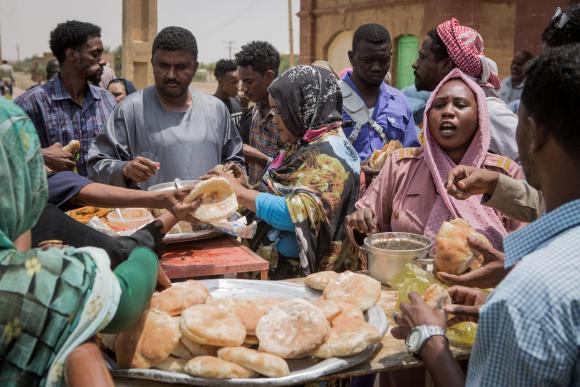
This study builds on earlier SPARC-IDRC research on food prices in Mali and Sudan by looking at subsequent price changes and their drivers, effects, and public responses from 2023 to mid-2025.
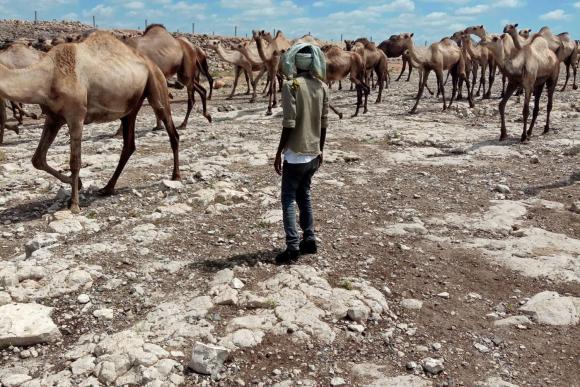
This journal article assesses the persistence of pastoral livelihoods despite far-reaching social, political, economic, and technological change over the last 45 years (1975–2020).
This report explores the perspectives of agro-pastoralist men and women in Toch East and Pathuon West Payams on how flooding and conflict impact their lives and livelihoods.
SPARC published five retrospective studies of projects in Ethiopia, Kenya, and Chad. This brief summarises lessons from these case studies, revisiting projects three to five years after closure.
Drawing on six years of research, this synthesis report outlines practical ways to make aid in fragile drylands more flexible, locally grounded and effective.
This synthesis report brings together key SPARC learnings around the challenges and opportunities facing pastoralism and agriculture in the drylands, and where future investment might be most effective.
This report examines examples of anticipatory actions led by local authorities. It assesses the potential strengths of these actions and sets out what decision makers can learn from these examples.
SPARC research on water development in the drylands reveals how a divide between development thinking and humanitarian action is undermining resilience and community trust.
This book brings together contributions from diverse disciplinary perspectives to explore the intersecting themes shaping the future of mobile pastoralism in Africa’s drylands.
This report looks at change within peoples livelihoods, the conditions that allow change to occur and spread, and the barriers which prevent change from spreading to other people and places.
This brief aims to draw learnings from better understanding if and how pastoralists share food aid, and if and how this affects their ability to cope with and recover from drought.