Explore SPARC’s publications and resources as we create, distil, evaluate and share evidence and best practice on research and policy that aims to support pastoralists and farmers in dryland areas.
This study builds on earlier SPARC-IDRC research on food prices in Mali and Sudan by looking at subsequent price changes and their drivers, effects, and public responses from 2023 to mid-2025.
This journal article assesses the persistence of pastoral livelihoods despite far-reaching social, political, economic, and technological change over the last 45 years (1975–2020).
This policy brief explores how communities use the creative recombination of available resources, skills, and relationships – or bricolage – to respond to shocks and cope with uncertainty.
SPARC published five retrospective studies of projects in Ethiopia, Kenya, and Chad. This brief summarises lessons from these case studies, revisiting projects three to five years after closure.
Drawing on six years of research, this synthesis report outlines practical ways to make aid in fragile drylands more flexible, locally grounded and effective.
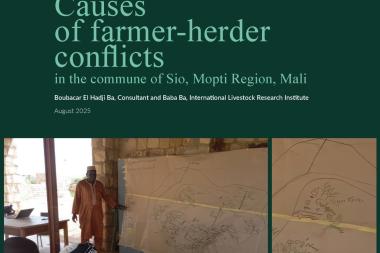
This CGIAR study, conducted in the commune of Sio in the Mopti Region of Central Mali, aims to analyse the root causes and impacts of conflicts between farmers and herders.
This report examines examples of anticipatory actions led by local authorities. It assesses the potential strengths of these actions and sets out what decision makers can learn from these examples.
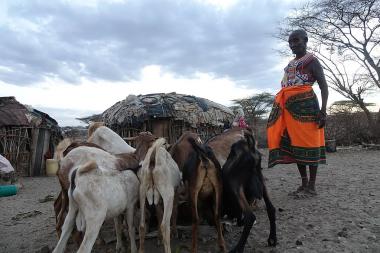
This policy brief outlines actions policymakers and donors can take to strengthen Ethiopia's goat value chain and drive behaviour change and resilience.
This report examines if crowdsourcing app KAZNET can be used to collect data on drought impacts and improve early warning systems and index-based drought risk financing and insurance products.
This report explores collective pastoral land tenure through three country case studies, identifying practical measures for understanding perceived security of communal land rights.