Explore SPARC’s publications and resources as we create, distil, evaluate and share evidence and best practice on research and policy that aims to support pastoralists and farmers in dryland areas.
This study builds on earlier SPARC-IDRC research on food prices in Mali and Sudan by looking at subsequent price changes and their drivers, effects, and public responses from 2023 to mid-2025.
This journal article assesses the persistence of pastoral livelihoods despite far-reaching social, political, economic, and technological change over the last 45 years (1975–2020).
Farming after fighting: a report that examines agricultural recovery after conflict, using global case studies to extract insights and gather learnings.
This article examines recent international financial institution and national government policy in North Africa designed to address the climate emergency.
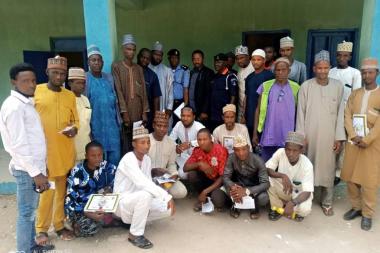
This brief is the second in a series highlighting issues facing pastoralists and agropastoralists in two areas in Nigeria: Hayin Ade in Kaduna State and Wuro Alhaji Idrisa Bappate in Taraba State.
This brief investigates the application of a decision making tool for governance designed to tackle complex problems – Stakeholder Approach to Risk Informed and Evidence Based Decision Making.
This study looks at food prices in Mali and Sudan to see how they changed between 2019 and mid-2022, when the prices of global basic goods spiked, in part pushed higher by war in Ukraine.
This recent study from SPARC offers insights from a real-time study of people’s lives in Somalia during 2020–2022, looking at how crisis-affected people take their own anticipatory action.
This brief is the second in a series highlighting the challenges facing people from different livelihoods in three sites in Somalia - Burao (Togdheer), Galkayo (Mudug) and Jowhar (Middle Shabelle).