Explore SPARC’s publications and resources as we create, distil, evaluate and share evidence and best practice on research and policy that aims to support pastoralists and farmers in dryland areas.
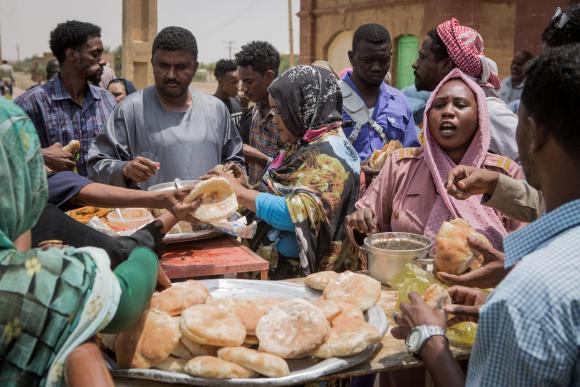
This study builds on earlier SPARC-IDRC research on food prices in Mali and Sudan by looking at subsequent price changes and their drivers, effects, and public responses from 2023 to mid-2025.
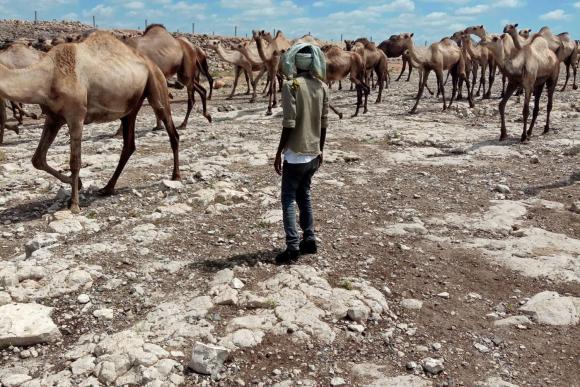
This journal article assesses the persistence of pastoral livelihoods despite far-reaching social, political, economic, and technological change over the last 45 years (1975–2020).
This policy brief looks at why aid practitioners missed an important opportunity to bolster food security by supporting improved post-harvest processing and storage in Afghanistan.
This brief recommends that the Ethiopia Disaster Risk Management Commission, supported by international partners, establish a specialist ENSO–IOD facility to plan for the impact of a drought in 2024.
Using examples from Afghanistan, this research outlines 10 traps that practitioners and donors working in fragile and conflict-affected regions must avoid if aid is to engage effectively with context.
This report explores how pastoralists and agro-pastoralists in South Sudan's Unity State are adapting their livelihood strategies in response to conflict and climate shocks.
This article takes an in-depth approach to understand the sub-national application of a single participatory planning intervention implemented across Northern Kenya, using qualitative process tracing.
This is a comparative study of the experiences and impacts of, and adaptation strategies to, climate change by agro-pastoralists in the Sahel, northeast Nigeria. It gives recommendations to policymakers.
This report, based on interviews with farming families, sets out actions to support food security in Afghanistan by strengthening post-harvest storage and food processing practices in rural areas.