Explore SPARC’s publications and resources as we create, distil, evaluate and share evidence and best practice on research and policy that aims to support pastoralists and farmers in dryland areas.
This study builds on earlier SPARC-IDRC research on food prices in Mali and Sudan by looking at subsequent price changes and their drivers, effects, and public responses from 2023 to mid-2025.
This journal article assesses the persistence of pastoral livelihoods despite far-reaching social, political, economic, and technological change over the last 45 years (1975–2020).
Agro-pastoral communities in drylands face worsening climate, economic and social pressures, all of which disproportionately impact women. GTAs can help build resilient, sustainable livelihoods.
This study explores narratives around water supply and household resilience from the perspective of funding and development agencies, and reviews policies for adaptation and resilience in drylands.
This report sets out to see if it is possible to assess the impacts PWP assets have on people’s livelihoods in order to learn new lessons about how, when — or whether — to use PWP.
This report provides new data about the current and potential future losses and damages from climate-attributable weather events in the Sahel and Horn of Africa, with a specific focus on the agriculture and livestock sectors.
This report examines the causes and impacts of conflict through a political economy and food production lens, focusing on the farmers of Azaza Sogora Village and the Fallata pastoralists
This study aims to identify the socio-cultural, economic and institutional factors contributing to gender inequalities among the pastoralists of Bauchi and Gombe States in Nigeria's Sahel region
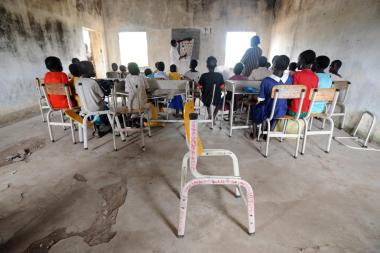
This study explores the role of formal education in empowering women in Bor, South Sudan, a region severely affected by prolonged conflict leading to high school dropout rates, low enrollment, and weakened educational institutions.