Explore SPARC’s publications and resources as we create, distil, evaluate and share evidence and best practice on research and policy that aims to support pastoralists and farmers in dryland areas.
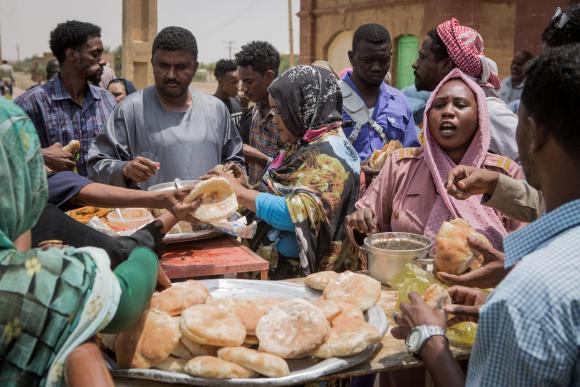
This study builds on earlier SPARC-IDRC research on food prices in Mali and Sudan by looking at subsequent price changes and their drivers, effects, and public responses from 2023 to mid-2025.
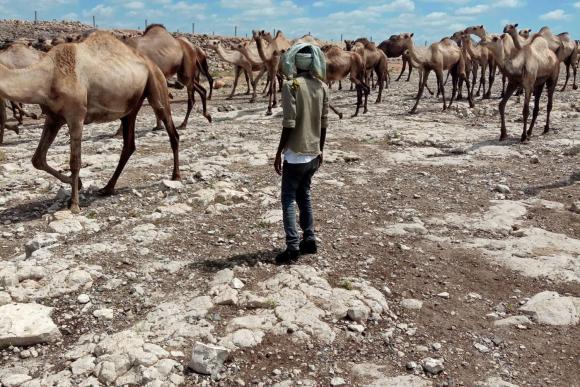
This journal article assesses the persistence of pastoral livelihoods despite far-reaching social, political, economic, and technological change over the last 45 years (1975–2020).
This study was conducted to better understand the impacts of the instruments in Central Mali that aim to strengthen natural resource management while playing a role in peace-building.
This critical analysis of the National Land Policy 2009 was undertaken on the request of the National Land Commission to inform strategic inputs to the policy review process.
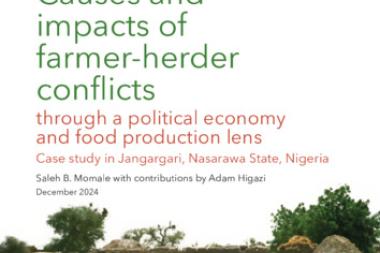
This study aims to deepen the understanding of land tenure in areas where farmers and pastoralists interact, to help document the root causes of conflicts between farmers and herders.
SPARC partnered with MarketShare Associates to conduct a field-based study on gender-inclusive animal health services (AHS) delivery in pastoral communities across Ethiopia and Kenya.
This brief aims to inform the Kenyan government’s review of the NLP of 2009 from a pastoralist perspective, to ensure that the NLP recognises and secures pastoralists’ land rights.
The paper offers some insights into understanding gendered vulnerabilities in Bor County, South Sudan, and provides recommendations to empower, and support the resilience of, women and girls.