Technical report
Access to land and resilience for female Sudanese refugees in Chad: systemic issues and local perceptions
This study explores the obstacles to, and opportunities for, Sudanese refugee women in eastern Chad to access land. It examines systemic barriers and how to improve coordination between stakeholders.
Publisher SPARC
In 2025, more than one million Sudanese refugees, mainly women and children, are living in eastern Chad, and some have been doing so for more than 15 years. The government of Chad and its humanitarian partners wish to support their autonomy through access to land. However, this access is currently mainly provided through agreements with host communities under conditions that are not well known.
This study explores the obstacles to, and opportunities for, Sudanese refugee women in eastern Chad to access land, analysing the perceptions of host communities. It examines systemic barriers, the impact of women’s social characteristics, their access to land, and opportunities for improving coordination between stakeholders.
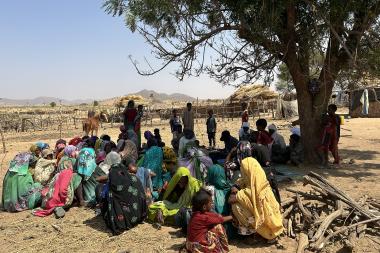
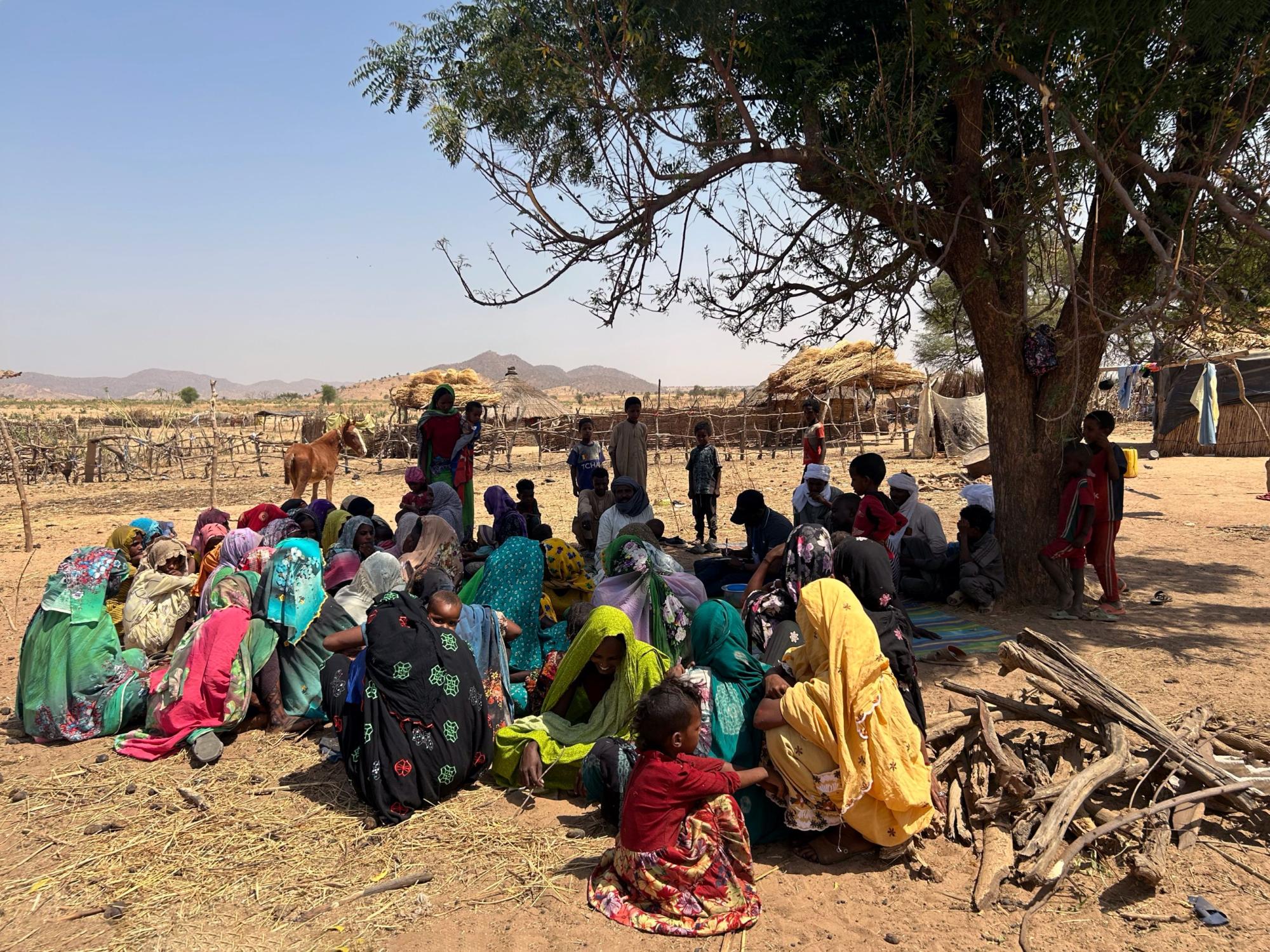
The data comes from 30 focus groups conducted with more than 300 people from the Touloum, Djabal and Abou-Tengué refugee camps in February 2025. It is supplemented by a review of grey and academic literature, a study of national budgets, and qualitative interviews with humanitarian, administrative and traditional actors, as well as specialists in gender and land tenure issues in Chad.
Findings
- The commitment of Chad and its humanitarian and development partners to refugees remains hampered by the lack of clear objectives regarding women’s access to land. In the face of declining funding, rethinking access to land as a cross-cutting issue can help avoid ineffective and poorly targeted support.
- Hosts and refugees widely recognise that refugee women have less access to land if they are pregnant or alone with young children or dependents with disabilities. Conversely, being young, with close family support, particularly adolescents, is seen as a key advantage.
- The commodification of land exacerbates gender inequalities by preventing refugee women without a male guarantor from accessing land.
- Confusion between access to and use of land is a source of tension between communities, undermining peaceful coexistence and village development programmes.
Policy implications
- Strengthen the integration of land tenure issue for host communities and refugees in the objectives of national climate strategies.
- Pay greater attention to inequalities in access linked to household composition in national strategies for the East of Chad, raise awareness of these issues among local authorities, and establish legal mechanisms tailored to gender-based barriers.
- Support equitable access to seeds and agricultural tools, adapted to gender and local realities in order to avoid adverse local effects and supply disruptions.
- Prioritise areas where refugee camps encroach on host lands or are affected by land commodification in rehabilitated land donation programmes.
- Conduct a joint assessment of road and water infrastructure, with host communities included, to better target investments and reduce feelings of injustice.
This report is also available in French here.
Download
application/pdf
188.2 KBapplication/pdf
5.89 MB