Explore SPARC’s publications and resources as we create, distil, evaluate and share evidence and best practice on research and policy that aims to support pastoralists and farmers in dryland areas.
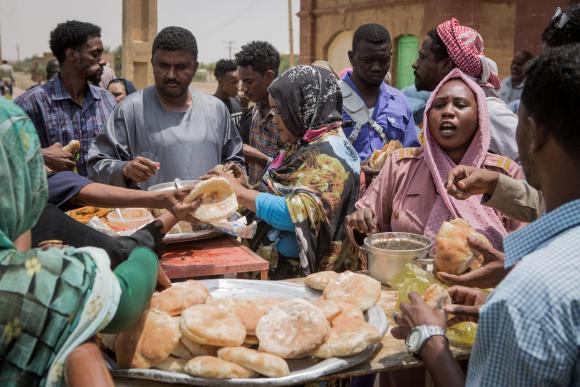
This study builds on earlier SPARC-IDRC research on food prices in Mali and Sudan by looking at subsequent price changes and their drivers, effects, and public responses from 2023 to mid-2025.
This journal article assesses the persistence of pastoral livelihoods despite far-reaching social, political, economic, and technological change over the last 45 years (1975–2020).
War in Ukraine may be distant, but may still affect countries in the global south as war drives up the prices of commodities. Just how serious is this threat?
This scoping paper presents key findings from the SPARC review of the innovation landscape specific to the contexts of fragile and conflict-affected settings.
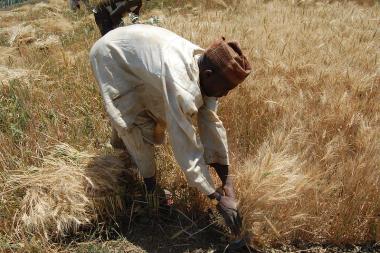
This paper discusses the effects of compounding shocks and stresses in agropastoral communities in Nigeria. It presents findings on the ways that households are coping and adapting to uncertainty.
This report reviews opportunities for young people in the drylands of Ethiopia, Nigeria, South Sudan, Somalia, Sudan and Mali to pursue climate-resilient decent work, and provides key recommendations.
This issue brief summarises the key findings and recommendations from the report 'Resilient Generation: supporting young people’s prospects for decent work in the drylands of east and west Africa'.
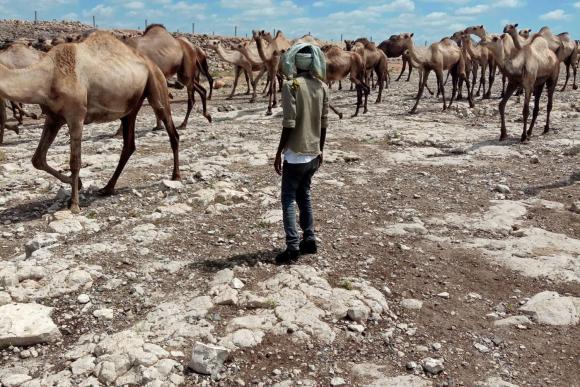
This brief outlines ways to build the resilience of livestock markets in the Sahel to climate and conflict shocks, thereby improving their contribution to livelihoods, food security and the economy.
This paper draws on interviews with traders and herders in Sudan, and secondary literature, to gain insight into how the suspended Hajj in 2020 affected livestock traders and herders on low incomes.
This review considers how protracted conflict has affected livelihoods and food security in select cases, and responses undertaken to address resulting economic and social harm.