Explore SPARC’s publications and resources as we create, distil, evaluate and share evidence and best practice on research and policy that aims to support pastoralists and farmers in dryland areas.
This study builds on earlier SPARC-IDRC research on food prices in Mali and Sudan by looking at subsequent price changes and their drivers, effects, and public responses from 2023 to mid-2025.
This journal article assesses the persistence of pastoral livelihoods despite far-reaching social, political, economic, and technological change over the last 45 years (1975–2020).
This policy brief explores the use of satellite remote sensing data to understand the impacts of the conflict in Sudan on market activity and agricultural production throughout the country.
This journal article evaluates KAZNET, a crowdsourcing initiative that collects and shares near-real-time data about livestock markets, forage conditions, and food security in Kenya’s drylands.
Using the evaluation of participatory action research (PAR) using non-traditional methods, this article proposes that the method used would also be valuable in evaluating PAR methods in other cases.
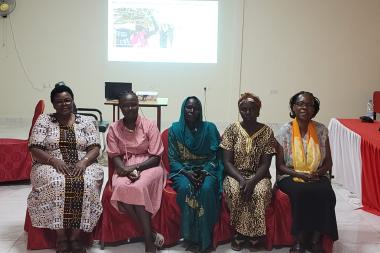
This paper examines the implications of years of protracted conflict, bad governance, poverty and patriarchy on efforts at women’s empowerment and sets out actions that can support women’s resilience.
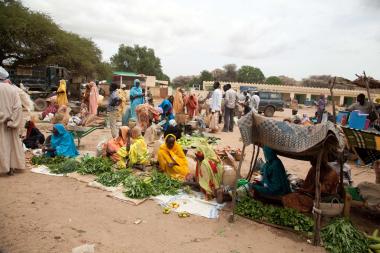
This brief provides an overview of how trade and markets in Darfur have adapted, positively and negatively, to the conflict since full-scale war broke out in April 2023.
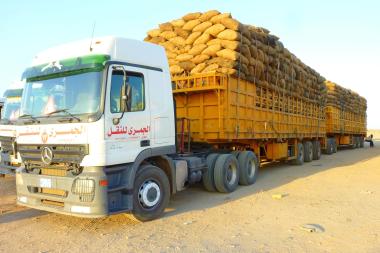
This brief provides an overview of the effect of the war and the subsequent embargo imposed by the Rapid Support Forces on regular trade into and out of areas it controls, with a focus on Darfur.
SPARC partnered with MarketShare Associates to conduct a field-based study on gender-inclusive animal health services (AHS) delivery in pastoral communities across Ethiopia and Kenya.
This brief aims to inform the Kenyan government’s review of the NLP of 2009 from a pastoralist perspective, to ensure that the NLP recognises and secures pastoralists’ land rights.