Explore SPARC’s publications and resources as we create, distil, evaluate and share evidence and best practice on research and policy that aims to support pastoralists and farmers in dryland areas.
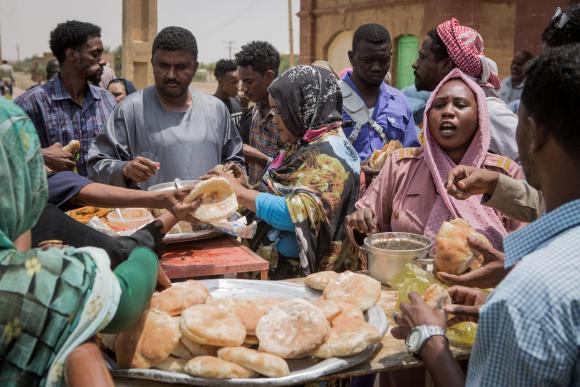
This study builds on earlier SPARC-IDRC research on food prices in Mali and Sudan by looking at subsequent price changes and their drivers, effects, and public responses from 2023 to mid-2025.
This journal article assesses the persistence of pastoral livelihoods despite far-reaching social, political, economic, and technological change over the last 45 years (1975–2020).
This report, based on interviews with farming families, sets out actions to support food security in Afghanistan by strengthening post-harvest storage and food processing practices in rural areas.
This policy brief outlines clear actions that Ministers in the G5 Sahel, aid partners, funders and researchers can take to drive a rural green transition and create jobs for youth in the region.
This SPARC-funded report, launched at COP28 in December, argues for a new way of thinking about and delivering the climate agenda in fragile and conflict-affected situations.
The challenges of food security and economic development in fragile contexts have become urgent. This report asks what more can be done to address food security in such contexts using private sector solutions.
This policy brief, developed for the UK’s 2023 Global Food Security Summit, summarises insights from recent SPARC research on how to bolster food security in countries affected by conflict and protracted crises.
Farming after fighting: a report that examines agricultural recovery after conflict, using global case studies to extract insights and gather learnings.
This study looks at food prices in Mali and Sudan to see how they changed between 2019 and mid-2022, when the prices of global basic goods spiked, in part pushed higher by war in Ukraine.
This recent study from SPARC offers insights from a real-time study of people’s lives in Somalia during 2020–2022, looking at how crisis-affected people take their own anticipatory action.