Supporting Pastoralism and Agriculture
in Recurrent and Protracted Crises
Get in touch

Reframing aid and resilience

Featured resources

Browse all
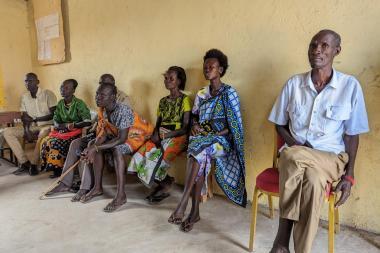
A queue of people waiting
Policy brief

SPARC published five retrospective studies of projects in Ethiopia, Kenya, and Chad. This brief summarises lessons from these case studies, revisiting projects three to five years after closure.
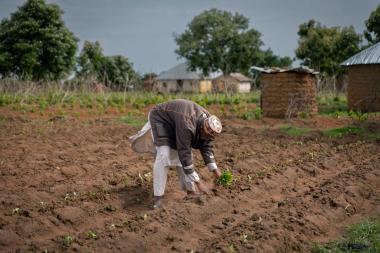
Farming in Ganawuri, Plateau state, Nigeria. Photo: Elphas Ngugi / Supporting Pastoralism and Agriculture in Recurrent and Protracted Crises (SPARC)
Flagship report

Drawing on six years of research, this synthesis report outlines practical ways to make aid in fragile drylands more flexible, locally grounded and effective.
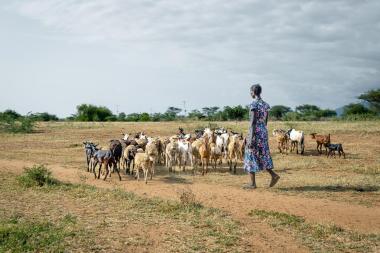
Livestock keeper in Turkana, Kenya. Credit: Elphas Ngugi / Supporting Pastoralism and Agriculture in Recurrent and Protracted Crises (SPARC)
Flagship report

This synthesis report brings together key SPARC learnings around the challenges and opportunities facing pastoralism and agriculture in the drylands, and where future investment might be most effective.
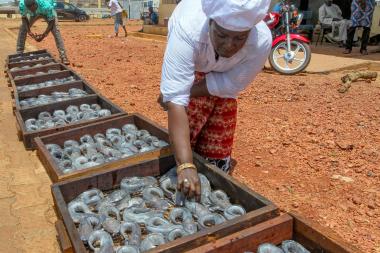
Women fisherman, Mali. Credit: Oumar Diop / UNDP
Technical report

This report examines examples of anticipatory actions led by local authorities. It assesses the potential strengths of these actions and sets out what decision makers can learn from these examples.

Latest news and features

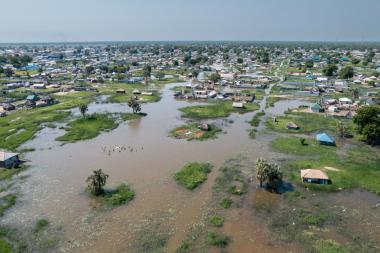
Flooding in Bor, Jonglei state, South Sudan. Credit: Elphas Ngugi / SPARC
Blog

SPARC has six years of experience carrying out research and collecting meaningful data in some of the world’s most fragile places.
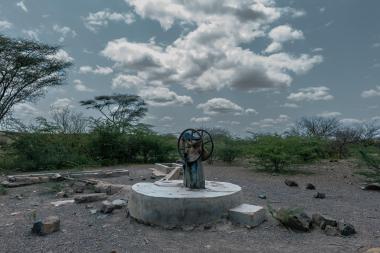
Abandoned borehole in Turkana, Kenya. Credit: Elphas Ngugi / Supporting Pastoralism and Agriculture in Recurrent and Protracted Crises (SPARC)
Blog

To make a real difference in fragile, conflict-affected drylands, the aid sector must drop heroic crisis narratives and refocus on the true actors in the story.
A close up of a man holding a mobile phone
News

How to browse six years of SPARC research.

User feedback survey

SPARC would like to better understand who accesses the research on our website, how it is used and how we can improve it. The information we collect here is only used for internal Monitoring and Evaluation purposes.

Questions with a * are required.
Occupation/Position
Is the information on this website useful to your work?
Is the information on this website understandable?
Will you apply this information to your work?
What type of information did you access on this website?