Explore SPARC’s publications and resources as we create, distil, evaluate and share evidence and best practice on research and policy that aims to support pastoralists and farmers in dryland areas.
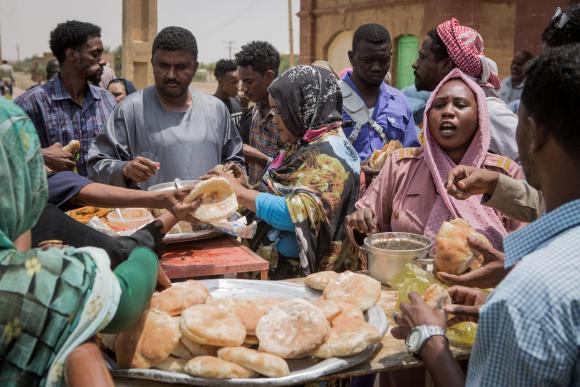
This study builds on earlier SPARC-IDRC research on food prices in Mali and Sudan by looking at subsequent price changes and their drivers, effects, and public responses from 2023 to mid-2025.
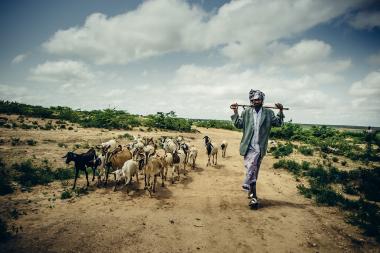
This journal article assesses the persistence of pastoral livelihoods despite far-reaching social, political, economic, and technological change over the last 45 years (1975–2020).
SPARC published five retrospective studies of projects in Ethiopia, Kenya, and Chad. This brief summarises lessons from these case studies, revisiting projects three to five years after closure.
This report examines examples of anticipatory actions led by local authorities. It assesses the potential strengths of these actions and sets out what decision makers can learn from these examples.
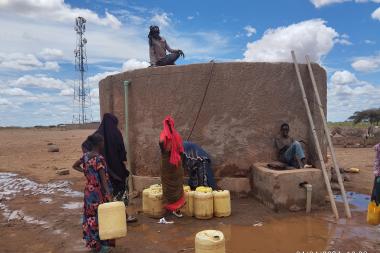
SPARC research on water development in the drylands reveals how a divide between development thinking and humanitarian action is undermining resilience and community trust.
This report looks at change within peoples livelihoods, the conditions that allow change to occur and spread, and the barriers which prevent change from spreading to other people and places.
This brief looks at what ‘people-centred’ EWS means, particular challenges of improving it in conflicts and recurring crises, and the implication of a knowledge-system way of thinking about EWS.
This brief suggests how to think differently about DRR in conflicts, rather than how to implement it, and draws on evidence that it is necessary and possible even in conflicts and recurring crises.
This policy brief reflects SPARC’s learning on why the main models used by the international humanitarian community for planning anticipatory action show limited promise in difficult places and what alternative approaches might be more helpful.
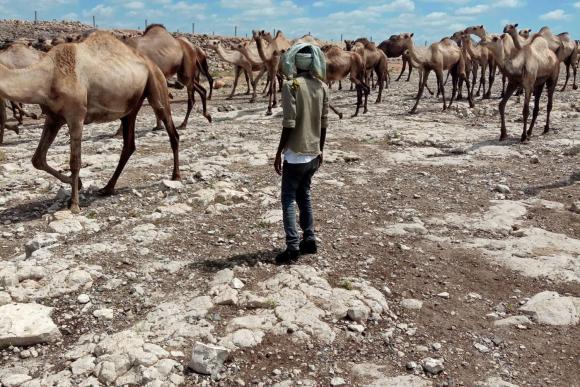
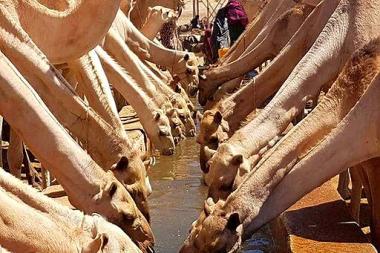
The current approach to providing new water supplies is undermining pastoralists’ resilience, not enhancing it. This report covers nine sites across Marsabit Co., Kenya and Somali Region, Ethiopia.