Explore SPARC’s publications and resources as we create, distil, evaluate and share evidence and best practice on research and policy that aims to support pastoralists and farmers in dryland areas.
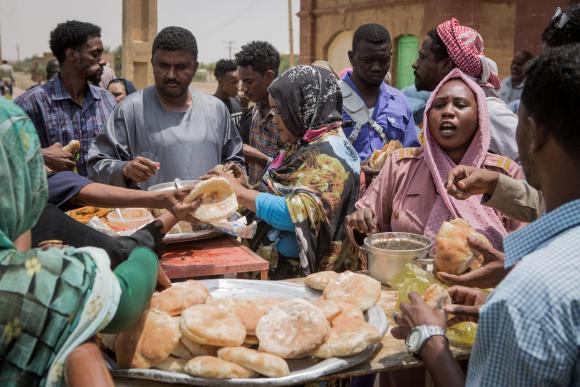
This study builds on earlier SPARC-IDRC research on food prices in Mali and Sudan by looking at subsequent price changes and their drivers, effects, and public responses from 2023 to mid-2025.
This journal article assesses the persistence of pastoral livelihoods despite far-reaching social, political, economic, and technological change over the last 45 years (1975–2020).
This report explores collective pastoral land tenure through three country case studies, identifying practical measures for understanding perceived security of communal land rights.
This report provides new data about the current and potential future losses and damages from climate-attributable weather events in the Sahel and Horn of Africa, with a specific focus on the agriculture and livestock sectors.
This report reviews land tenure for pastoralism and its governance in southern Burkina Faso, and outlines steps that can be taken to safeguard pastoralists’ tenure.
This policy brief outlines clear actions that Ministers in the G5 Sahel, aid partners, funders and researchers can take to drive a rural green transition and create jobs for youth in the region.
The challenges of food security and economic development in fragile contexts have become urgent. This report asks what more can be done to address food security in such contexts using private sector solutions.
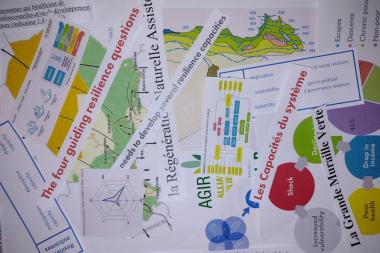
This brief explore the mistakes being made in how 'resilience' in the Sahel has been discussed and some practical steps that can be taken to make the word more useful.
This report documents how African policy-makers and experts perceive climate change and adaptation risks that have the potential for multi-country to regional consequences.
This brief outlines ways to build the resilience of livestock markets in the Sahel to climate and conflict shocks, thereby improving their contribution to livelihoods, food security and the economy.